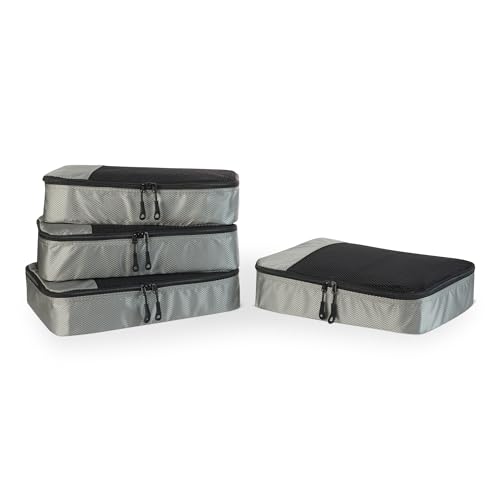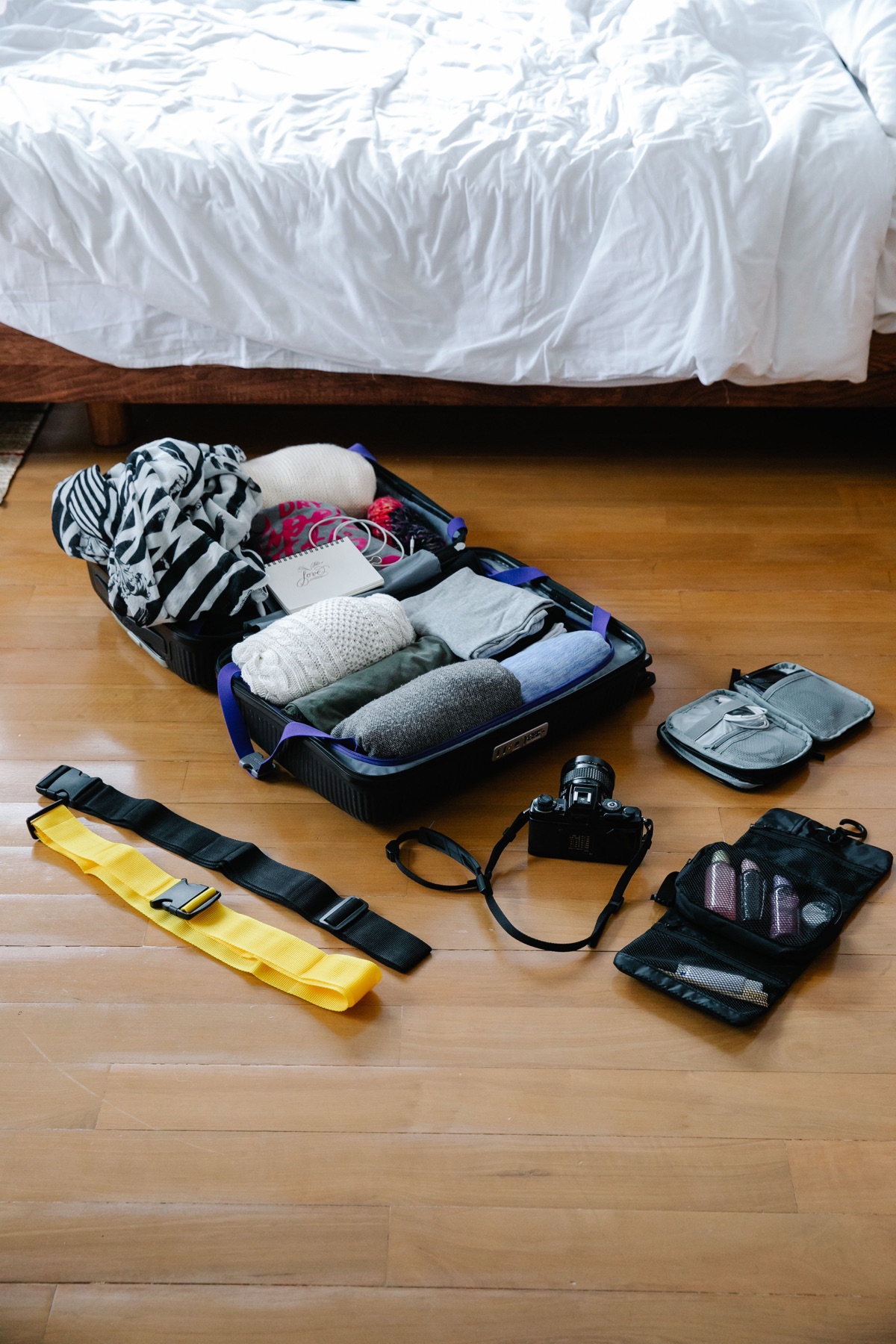
Packing cubes make it easier to organize clothes, separate different types of items and keep your suitcase from turning into a mess halfway through a trip.
They do not magically create extra luggage space, but when used properly, they can make packing much more efficient. If you are new to them, here is how to use packing cubes effectively.
01
Choose the right packing cube sizes
Start with two or three different sizes rather than filling your suitcase with identical cubes. Large cubes work well for trousers, sweaters and bulkier clothes. Medium cubes are useful for T-shirts and shirts, while smaller cubes are ideal for underwear, socks and accessories.
If you are still choosing a set, see our guide to the best packing cubes for carry-on bags. Measure the usable interior of your case, including the space taken by wheel housings, before comparing it with the cube dimensions.
The goal is not to put every item into a cube. Shoes, jackets and oddly shaped items can often fit better directly into the gaps around them. Leaving a little flexibility also makes the suitcase easier to close on the return journey.
02
Fold or roll your clothes
Both methods work. Rolling is particularly useful for T-shirts, underwear and lightweight clothing because it keeps individual items visible and can reduce wasted space. Folding tends to work better for structured shirts, trousers and thicker clothing.
Try to make each filled cube reasonably flat and even. An irregular lump is difficult to place beside another cube and may crease the items pressed against it. Fold garments to roughly the width of the cube before stacking them.
Avoid stuffing cubes until the zippers are under excessive tension. A tightly packed cube is useful; an overfilled one becomes harder to arrange inside your luggage and can put unnecessary strain on seams and zip teeth.
03
Organize each cube by category
One of the easiest systems is to give each cube a purpose. Keeping similar items together means you can remove one cube instead of unpacking your entire suitcase. Labelled or colour-coded cubes can make the system easier to follow when several people share one bag.
- One cube for tops
- One cube for trousers and shorts
- One cube for underwear and socks
You can also organize them by outfit or by day if you are taking a shorter trip. For smaller travel essentials, a dedicated toiletry bag can keep liquids and grooming products separate from clothing.
04
Arrange the cubes inside your suitcase
Place the largest cube first, usually along the flat bottom or one side of your suitcase. Add medium cubes beside it and use smaller cubes to fill remaining spaces. In a wheeled case, keeping denser cubes close to the wheel end can make the case more stable when it stands upright.
Shoes can fit around the edges or between cubes, while chargers, adapters and other small items can use gaps that would otherwise remain empty. Keep documents, medicine and anything needed during the journey somewhere accessible rather than burying them inside a clothing cube.
If you travel mostly with hand luggage, our guides to carry-on luggage and travel backpacks can also help you make better use of limited space.
05
Use compression carefully
Compression packing cubes have a second zipper that reduces their depth after they have been packed. They can be useful for soft, bulky clothing such as T-shirts, underwear and lightweight sweaters. Close the compression zip gradually and check that no fabric has caught in it.
However, compression does not reduce weight. A smaller-looking suitcase can still exceed an airline’s baggage allowance. Weigh the finished bag, especially when flying, and remove items if necessary instead of assuming that a neatly compressed case is within the limit.
06
Keep one cube accessible
If you are travelling through airports, changing hotels or making several stops, keep frequently used clothing in an easy-to-reach cube. A small cube containing sleepwear and a clean outfit is useful after a late arrival because you do not need to open every organizer.
You can also use an empty cube for dirty laundry during the trip. This keeps worn clothes separate without requiring an additional laundry bag. Let damp items dry before closing them in a cube, and keep anything likely to leak in a suitable water-resistant bag.
For more ways to divide a larger case, browse our guide to packing cubes in luggage. Leave a little spare room for souvenirs and for the less precise packing that often happens on the journey home.
Sources and further reading
We use primary and specialist sources to check the principles in this article. Product recommendations are researched separately.