Robot Vacuum Buying Guide: What Matters Most

Use this robot vacuum buying guide to compare navigation, cleaning, pet-hair handling, mopping, docks, privacy and long-term ownership costs.

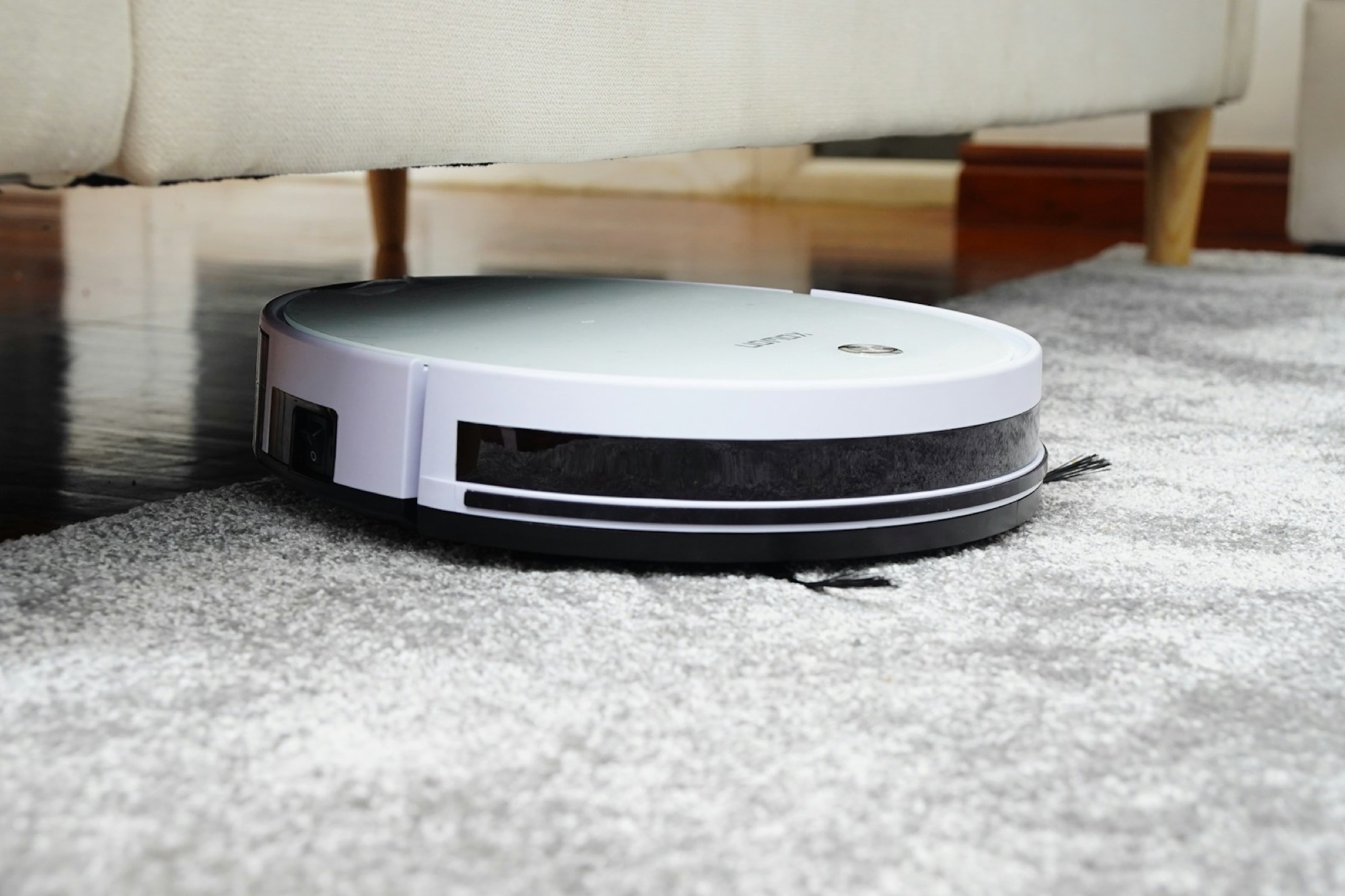
Robot vacuum moving across a hard floor beside a rug
Photo: Unsplash

If you are looking at robot vacuums because you want to stop chasing crumbs and pet hair every day, decide how much work you want the robot to remove—and how much maintenance you are willing to give back. A clever machine that gets stuck under the same chair every morning is not clever for long. This robot vacuum buying guide focuses on reliable navigation, brushes, docks and parts; our best robot vacuums guide compares five current options.

01

Match navigation to the home

Walk around the home before you compare models. Look at thresholds, loose cables, dark rugs, chair legs, pet bowls and the height under low furniture. LiDAR tends to map quickly and works in the dark; cameras can recognise more kinds of clutter but raise understandable privacy questions. Basic bump-and-turn robots are cheaper, although watching one repeatedly miss half a room soon explains the saving.

The sensor name is less important than the software around it. You want a map that stays put, rooms you can label, useful no-go zones and a robot that resumes properly after charging. Multi-floor mapping sounds impressive, but remember that you will still be carrying the machine—and possibly its dock—up the stairs yourself.

02

Look beyond suction figures

Do not let a huge suction number make the decision for you. Pascal ratings are not measured consistently across brands, and pickup also depends on the roller, airflow, floor contact and whether the robot actually reaches the dirt. Carpet needs agitation; hard floors need controlled fine-dust pickup and a side brush that does not fling crumbs across the kitchen.

Hair is where design flaws become obvious. Check how easily the roller comes out, whether strands wrap around the end caps and whether replacements are sold for the exact model. Pet owners will also appreciate a larger bin and decent filtration. We have separate shortlists for robot vacuums for pet hair and vacuums for hardwood floors.

03

Decide whether mopping is worthwhile

“Vacuum and mop” can mean anything from dragging a damp cloth to scrubbing with spinning pads. The better systems control water by room and lift the mop over carpet, but even those are for keeping floors presentable between proper cleans—not erasing every dried kitchen spill.

A self-emptying dock is useful if the bin fills quickly or you dislike handling dust. Full-service stations can also wash and dry pads, but they are large, expensive and still leave you with dirty-water tanks and trays to clean. If mopping is the main attraction, start with our robot vacuum and mop guide.

04

Check privacy and long-term costs

The app should save time, not hold the vacuum hostage. Check whether basic cleaning works without an account, how maps and camera images are handled and whether bags, filters, brushes and pads will still be available a few years from now. A dependable mid-range robot with ordinary consumables can be a much better buy than a spectacular specification sheet with uncertain support.

Plan on a little preparation: lift cables, secure lightweight rugs and give the dock a clear approach. A robot also complements rather than replaces a cordless vacuum cleaner for stairs, upholstery and quick spot cleaning.

Use the return period as a real home test. Send the robot into every room, watch it cross thresholds, check that it finds the dock and listen for brushes hitting furniture. Navigation mistakes are not one-off annoyances; once scheduled, they repeat every day.

Sources and further reading

We use primary and specialist sources to check the principles in this article. Product recommendations are researched separately.

Good questions

FAQ — Robot Vacuum Buying Guide: What Matters Most

01How do I choose a robot vacuum?+

Start with floor type, layout, thresholds, pets and the obstacles normally left on the floor. Then compare navigation, brush design, bin and dock maintenance, mopping quality, app controls, consumable prices and replacement-part availability. Ignore isolated headline specifications.

02Is LiDAR better than camera navigation?+

LiDAR usually maps quickly and operates well in low light. Cameras may identify more object types, but performance varies and privacy considerations differ. The quality of the mapping software and obstacle-avoidance implementation matters more than the sensor label alone.

03Are robot vacuum suction ratings comparable?+

Not reliably. Brands may measure pascals under different conditions, and suction is only one part of pickup. Roller design, airflow, floor contact, navigation and how frequently the robot cleans can have a larger effect on everyday results.

04Is a self-emptying robot vacuum worth it?+

It is useful for pet hair, larger homes or anyone who dislikes frequent dusty bin emptying. However, the dock occupies more space and may require proprietary bags. Compare the cost and availability of those bags over several years.

05Can a robot vacuum replace a normal vacuum?+

Usually not completely. Robots are excellent for frequent maintenance but may miss stairs, upholstery, tight edges and concentrated messes. Many homes still benefit from a cordless or canister vacuum for detailed cleaning and areas the robot cannot reach.

06Do robot vacuum and mop combinations work?+

They can maintain hard floors, but results vary. A dragged damp pad handles light dust; spinning or vibrating pads and controlled water delivery address more. None eliminates the need to clean occasional spills, wash components and refill or empty tanks.

07What is the best robot vacuum for pet hair?+

Look for an accessible anti-tangle roller, a large bin or self-emptying dock, effective filtration and dependable obstacle avoidance around bowls and toys. The best model depends on whether the home has carpet, hard floors or both.

08How often should a robot vacuum run?+

Many homes benefit from several scheduled runs per week; shedding pets may justify daily cleaning. Frequent light passes are the robot’s strength. Adjust the schedule to dirt levels, noise and how often you are prepared to clean brushes and sensors.

09Do robot vacuums work without Wi-Fi?+

Most can start basic cleaning from an onboard button, but mapping, schedules, room selection and firmware updates may require an app and internet connection. Confirm the exact model’s offline functions if cloud independence is important to you.

10How long does a robot vacuum last?+

Service life varies with usage, battery quality, maintenance and parts support. Regularly clean sensors and rollers, replace worn consumables and avoid water damage. A replaceable battery and readily available parts can extend useful ownership considerably.

Good things, occasionally.

Five useful recommendations in one quiet email.