The 5 Best Binoculars for Stargazing
Looking at the night sky with binoculars is wonderfully simple until the image starts shaking. Higher magnification narrows the view and magnifies hand movement; larger objectives bring more light but also more weight. I would decide whether the binoculars will actually sit on a tripod before paying for 20x or 25x. A mount can change the experience more than another line of magnification.
Celestron's 15x70 SkyMaster is my accessible first step. The 20x80 models suit a committed tripod setup, while the Pro and Pro ED versions charge more for optical and mechanical refinements. The 25x70 is a narrower specialty choice rather than an automatic upgrade. None of these should be pointed at the Sun without a purpose-built solar system.
Our top 5 binoculars for stargazing
Swipe to compare price, rating and best use →
| Product | Price | Rating | Best for |
|---|---|---|---|
01 Celestron SkyMaster 15x70Details ↓ Celestron SkyMaster 15x70Details ↓ | $89.00 | 4.4/5Amazon | Best first astronomy pair |
02 Celestron SkyMaster 20x80Details ↓ Celestron SkyMaster 20x80Details ↓ | $179.99 | 4.4/5Amazon | Best value 20x80 reach |
03 Celestron SkyMaster Pro 20x80Details ↓ Celestron SkyMaster Pro 20x80Details ↓ | $299.99 | 4.4/5Amazon | Best frequent-use 20x80 |
04 Celestron SkyMaster Pro ED 20x80Details ↓ Celestron SkyMaster Pro ED 20x80Details ↓ | $399.95 | 3.7/5Amazon | Best optical refinement |
05 Celestron SkyMaster 25x70Details ↓ Celestron SkyMaster 25x70Details ↓ | $119.95 | 4.3/5Amazon | Best narrow high-power option |
01 — Celestron
Best first astronomy pairCelestron SkyMaster 15x70
The 15x70 SkyMaster is where I would begin if you want to scan bright clusters and the Moon without committing to the cost of the Pro line. Its 70mm objectives admit far more light than compact travel binoculars, and Celestron includes a tripod adapter. Even at 15x, a mount makes longer looks more comfortable; it is not truly pocketable night-sky gear.
It leads because its price and wide-enough scanning role fit a first astronomy purchase. The 20x80 reveals a different scale but also demands a sturdier support and a narrower view. I would buy this pair with a basic mount before paying for more magnification alone.
Specifications: Celestron SkyMaster 15x70 specifications ↗
View on Amazon ↗Beginners willing to use a tripod.
You need a light handheld travel pair.
What I like
+Large 70mm objectives at an accessible price.
What to weigh
−Heavy and shaky for extended handholding.
02 — Celestron
Best value 20x80 reachCelestron SkyMaster 20x80
The standard SkyMaster 20x80 is for someone who already has a capable tripod and wants a larger, more detailed look than 15x70. The 80mm objectives gather more light and the 20x view makes distant targets bigger, but the narrower field makes locating them harder. Account for the binoculars, adapter and tripod as one system.
Second place rewards that clear step up at a still manageable price. I would not choose it as a casual handheld pair; the 15x70 is less demanding. If you know you will observe often, the Pro versions are worth comparing for optical refinements and more purposeful mounting.
Specifications: Exact Amazon product listing ↗
View on Amazon ↗Observers with a steady mount already.
You mainly browse the sky by hand.
What I like
+20x scale and larger objectives.
What to weigh
−Heavier, narrower view needs a tripod.
03 — Celestron
Best frequent-use 20x80Celestron SkyMaster Pro 20x80
SkyMaster Pro 20x80 serves someone who spends longer at a mounted station and wants the Pro line's coatings and hardware rather than the standard model's lower price. Compare the exact tripod-adapter and eye-relief details of this version before buying, especially if you wear glasses. The large body still needs a stable support and space to transport it.
Third place reflects the diminishing return for an occasional viewer. I would pay for Pro when repeated observing and handling justify the premium. Standard 20x80 reaches the same nominal magnification for less; Pro ED is the next step only if its extra optical specification answers a visible need.
Specifications: Exact Amazon product listing ↗
View on Amazon ↗Regular mounted observers seeking a sturdier setup.
You have not budgeted for a tripod.
What I like
+Pro-series optics and mounting emphasis.
What to weigh
−Premium price without more nominal reach.
04 — Celestron
Best optical refinementCelestron SkyMaster Pro ED 20x80
Pro ED 20x80 is the high-end choice for a buyer who notices color fringes on bright lunar edges and has already solved mounting. Celestron documents ED glass, BaK-4 prisms, fully multi-coated optics and a built-in adjustable tripod adapter. Those are real specification differences; they do not make an 80mm binocular light enough for extended handholding.
I rank it fourth for a general buying guide because its much higher price does not replace the mount or observing practice. I would choose it when optical correction matters and the budget is deliberate. First-time viewers can learn more cheaply with the ordinary 15x70.
Specifications: Celestron SkyMaster Pro ED 20x80 details ↗
View on Amazon ↗Committed observers seeking ED optics.
You want a casual inexpensive sky scan.
What I like
+Documented ED glass and built-in mount rail.
What to weigh
−High cost and substantial tripod load.
05 — Celestron
Best narrow high-power optionCelestron SkyMaster 25x70
The 25x70 SkyMaster gives a larger nominal view of distant targets from a 70mm body, but that extra 25x makes shake and target-finding harder. It is a niche choice for someone who already enjoys tripod-mounted binoculars and knows the objects they want to frame. The smaller objective than the 20x80 also changes the light-per-magnification trade.
It closes the list because more power is not the same as a better first astronomy view. I would choose 15x70 for learning the sky and 20x80 for a mounted upgrade. Buy 25x70 when the tighter field itself is the point, with a suitable mount ready.
Specifications: Exact Amazon product listing ↗
View on Amazon ↗Mounted observers targeting smaller subjects.
You want easy, wide sky scanning.
What I like
+Higher nominal target scale.
What to weigh
−Narrower, shakier view with less easy locating.
Price information
Amazon price and availability checked Oct 17, 2026, 10:24 PM Lisbon time. Prices and availability are subject to change; the information shown on Amazon.com at purchase applies.
Our process
How we picked.
We compare five relevant products for different needs, using documented specifications, clear use cases and practical trade-offs. Our goal is to make the differences clear and help you choose with confidence.
- 01Relevance
Each product must fit the guide’s intended use, audience and requirements.
- 02Specifications
We compare the key product details that meaningfully affect the buying decision.
- 03Use case and fit
We compare the intended use, configuration and practical fit of every selected product.
- 04Strengths and limitations
We explain where each option performs best and the compromises to consider.
Good questions
FAQ — Binoculars for Stargazing
01Can I hold 20x80 astronomy binoculars by hand?+
Only briefly for many people. The weight and magnification make a steady tripod or monopod the more practical way to observe for several minutes.
02Does more magnification always show more stars?+
No. A narrower field, shaking and darker-looking view can offset extra scale. Compare the objective size, field of view and how you will support the binoculars.
The short answer
Start with the Celestron SkyMaster 15x70.
I recommend it for beginners willing to use a tripod. Choose something else if you need a light handheld travel pair.
View on Amazon ↗Keep looking
Related guides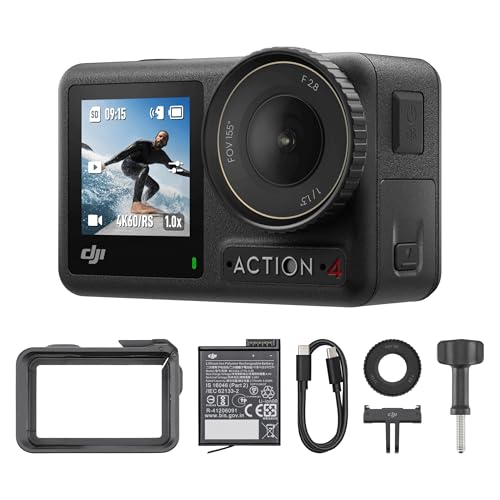
The 5 Best Action Cameras for Different Trips
Five DJI, AKASO and SJCAM action cameras for regular outdoor footage, self-framing and low-cost first clips.

The 5 Best Binoculars for Bird Watching and Day Trips
Five Celestron, Vortex, Occer, Aurosports and POLDR binoculars for bird walks, open fields or light bags.

The 5 Best Binoculars for Hunting
Five hunting binoculars for 10x field use, wider 8x views, long reach and limited budgets.
The 5 Best Binoculars for an Alaska Cruise
Five Celestron, Bushnell and budget binoculars for steady wildlife tracking, wet decks and distant landmarks.

The 5 Best Binoculars for the Money
Five Vortex, Celestron and Bushnell binoculars for hiking, handheld birds, wet trips and tripod skywatching.