The 5 Best Ultralight Camping Tents
Looking for a lighter tent? Check what the advertised weight leaves out. A trekking-pole shelter may save space because it borrows poles you already carry; if you don't hike with poles, that saving comes with another purchase. I would compare the complete shelter, stakes and any footprint before choosing by a headline number.
The two low-cost trekking-pole tents here suit different sleeping counts. Clostnature offers a conventional two-person backpacking layout, while the Naturehike Cloud-Up adds a footprint to a freestanding package. My ranking favors a clear carrying reason for each pick over the word ultralight on its own. None of these choices is a substitute for checking the packed weight of the exact configuration.
Our top 5 ultralight camping tents
Swipe to compare price, rating and best use →
| Product | Price | Rating | Best for |
|---|---|---|---|
01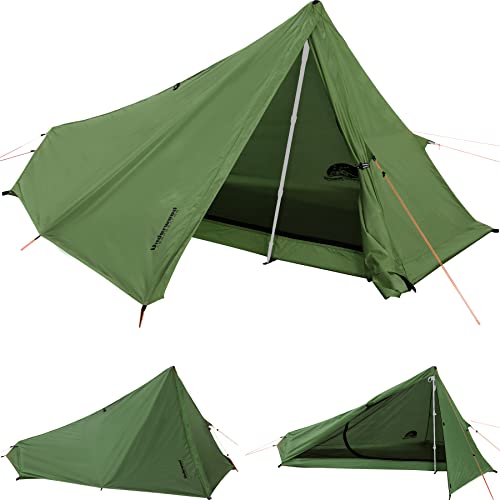 Underwood Aggregator One-Person Trekking-Pole TentDetails ↓ Underwood Aggregator One-Person Trekking-Pole TentDetails ↓ | $43.99 | 4.0/5Amazon | Best low-cost solo carry |
02 Underwood Aggregator Two-Person Trekking-Pole TentDetails ↓ Underwood Aggregator Two-Person Trekking-Pole TentDetails ↓ | $42.99 | 4.2/5Amazon | Best low-cost shared shelter |
03 Clostnature 2-Person Backpacking TentDetails ↓ Clostnature 2-Person Backpacking TentDetails ↓ | $79.99 | 4.5/5Amazon | Best conventional two-person value |
04 ShinHye One-Person Two-Door Backpacking TentDetails ↓ ShinHye One-Person Two-Door Backpacking TentDetails ↓ | $52.99 | 4.4/5Amazon | Best solo door access |
05 Naturehike Cloud-Up 2Details ↓ Naturehike Cloud-Up 2Details ↓ | $135.15 | 4.5/5Amazon | Best freestanding alternative |
01 — Underwood Aggregator
Best low-cost solo carryOne-Person Trekking-Pole Tent
This is my starting point for a solo walker who already carries trekking poles and wants to spend modestly. The exact listing explicitly says no poles, so its low offer is only useful if those poles are already in the kit. I would check the complete shelter weight and inner length against my pack and sleeping pad before ordering.
It leads on a clear, inexpensive solo brief. The two-person version below adds floor room but changes the carry job; Naturehike is more self-contained if you would rather bring dedicated tent poles.
Specifications: Exact Amazon.com product listing ↗
View on Amazon ↗A solo hiker who already owns trekking poles.
You need an included freestanding pole set.
What I like
+Low-cost trekking-pole shelter.
What to weigh
−Poles are not included.
02 — Underwood Aggregator
Best low-cost shared shelterTwo-Person Trekking-Pole Tent
Two hikers sharing one shelter can divide the tent load, which makes this two-person trekking-pole option interesting at its current low offer. It also excludes poles. I would check whether two real sleeping pads fit its stated floor, rather than assume the capacity label means comfortable room for both people and packs.
Second place is for a different party size, not a blanket upgrade over the solo model. It beats the more expensive Naturehike on outlay for walkers with poles, but gives up the convenience of a freestanding pitch.
Specifications: Exact Amazon.com product listing ↗
View on Amazon ↗Two walkers sharing gear and trekking poles.
You camp alone or need a freestanding pitch.
What I like
+Two-person layout at a modest offer.
What to weigh
−No included poles and potentially tight storage.
03 — Clostnature
Best conventional two-person valueClostnature 2-Person Backpacking Tent
Clostnature is the two-person choice I would compare when you want included aluminum poles rather than plan a pitch around trekking poles. The exact listing gives a conventional backpacking format and a lower offer than Naturehike. I would check the complete packed weight, tent length and pad widths before calling it a light option for two adults.
Third place buys a more self-contained setup than the first two pole shelters. It ranks below those for a hiker who already carries trekking poles and wants the leanest low-cost kit; Naturehike below adds a footprint.
Specifications: Exact Amazon.com product listing ↗
View on Amazon ↗Two walkers wanting dedicated tent poles.
You need the very smallest solo shelter.
What I like
+Conventional two-person pole set.
What to weigh
−More carried components than pole shelters.
04 — ShinHye
Best solo door accessOne-Person Two-Door Backpacking Tent
A second door can make a narrow solo shelter easier to live with, especially when the campsite forces an awkward pitch. This tent is for a walker who wants that access without paying Naturehike money. I would still verify the complete carried weight and packed pole length; the word ultralight alone does not settle the comparison.
Fourth place gives a distinct access advantage at a lower offer than the premium picks. It ranks behind Clostnature for a buyer seeking a conventional pole kit because the exact carry comparison needs more complete evidence.
Specifications: Exact Amazon.com product listing ↗
View on Amazon ↗A solo hiker who values entry from either side.
You need the lightest documented package.
What I like
+Two-door solo arrangement.
What to weigh
−Complete carried weight needs checking.
05 — Naturehike
Best freestanding alternativeNaturehike Cloud-Up 2
Cloud-Up 2 suits the hiker who wants a recognizable two-person freestanding layout instead of planning a pitch around trekking poles. Its exact listing includes a footprint, which matters on abrasive ground but adds to the total load. I would compare the full packed kit, not just the tent body, with the two cheaper pole shelters.
Fifth place is deliberate: it is the most self-contained way to get this style of shelter, but its higher current offer and two-person package are hard to justify for a strict solo weight budget.
Specifications: Exact Amazon.com product listing ↗
View on Amazon ↗A walker wanting dedicated poles and a footprint.
Price or minimum solo weight is the priority.
What I like
+Freestanding two-person layout with footprint.
What to weigh
−Higher offer and more to carry.
Price information
Amazon price and availability checked Oct 18, 2026, 5:57 AM Lisbon time. Prices and availability are subject to change; the information shown on Amazon.com at purchase applies.
Our process
How we picked.
We compare five relevant products for different needs, using documented specifications, clear use cases and practical trade-offs. Our goal is to make the differences clear and help you choose with confidence.
- 01Relevance
Each product must fit the guide’s intended use, audience and requirements.
- 02Specifications
We compare the key product details that meaningfully affect the buying decision.
- 03Use case and fit
We compare the intended use, configuration and practical fit of every selected product.
- 04Strengths and limitations
We explain where each option performs best and the compromises to consider.
Good questions
FAQ — Ultralight Camping Tents
01Does ultralight include poles and stakes?+
Not always. Compare the listed packaged weight and included components for the exact variant; trekking-pole shelters may require poles you already own or must buy separately.
02Should I choose a one-person or two-person shelter?+
A solo hiker with a large pack may value the extra floor space of a two-person tent, but the carry cost usually rises. Check actual floor dimensions and complete weight.
The short answer
Start with the One-Person Trekking-Pole Tent.
I recommend it for a solo hiker who already owns trekking poles. Choose something else if you need an included freestanding pole set.
View on Amazon ↗Keep looking
Related guides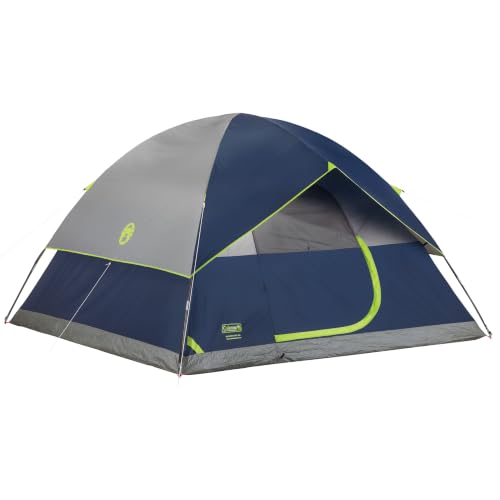
The 5 Best Camping Tents for Families
Five family camping tents, including Camping 8-Person Family and Core 9 Person Instant Cabin, compared by sleeping floor area, setup, weather protection, packed size.
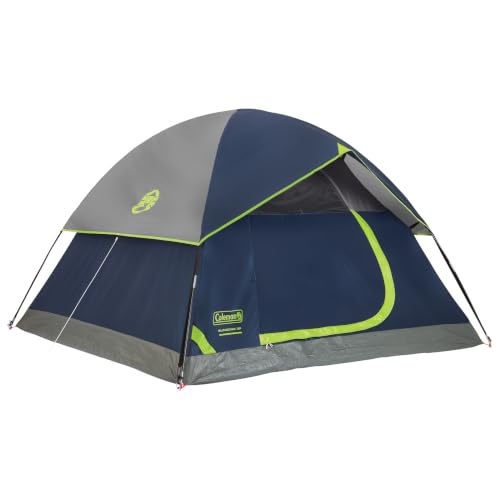
The 5 Best Dome Camping Tents
Five dome tents from Coleman, Amazon Basics, Hewolf, Happy Travel and UNP for car camping, quick setup and value.
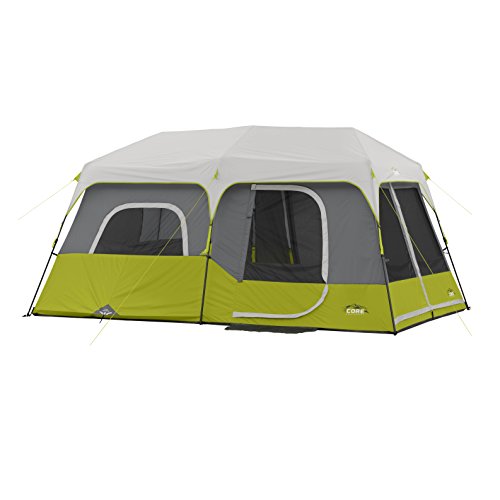
The 5 Best Large Camping Tents
Five CORE, CAMPROS, UNP and BravArrk tents for family floor plans, dividers and drive-in setup.
The 5 Best Car-Camping Tents
Five UNP, Happy Travel, CORE, Amazon Basics and Clostnature tents for roomy stays, large groups and small cars.