Electric shavers can provide a fast and convenient shave, but technique still matters.
Using too much pressure, shaving very long facial hair or repeatedly passing over the same area can reduce comfort and performance.
Here is a simple process for getting better results.
01
Trim long facial hair first
Electric shavers work best within a certain hair length range.
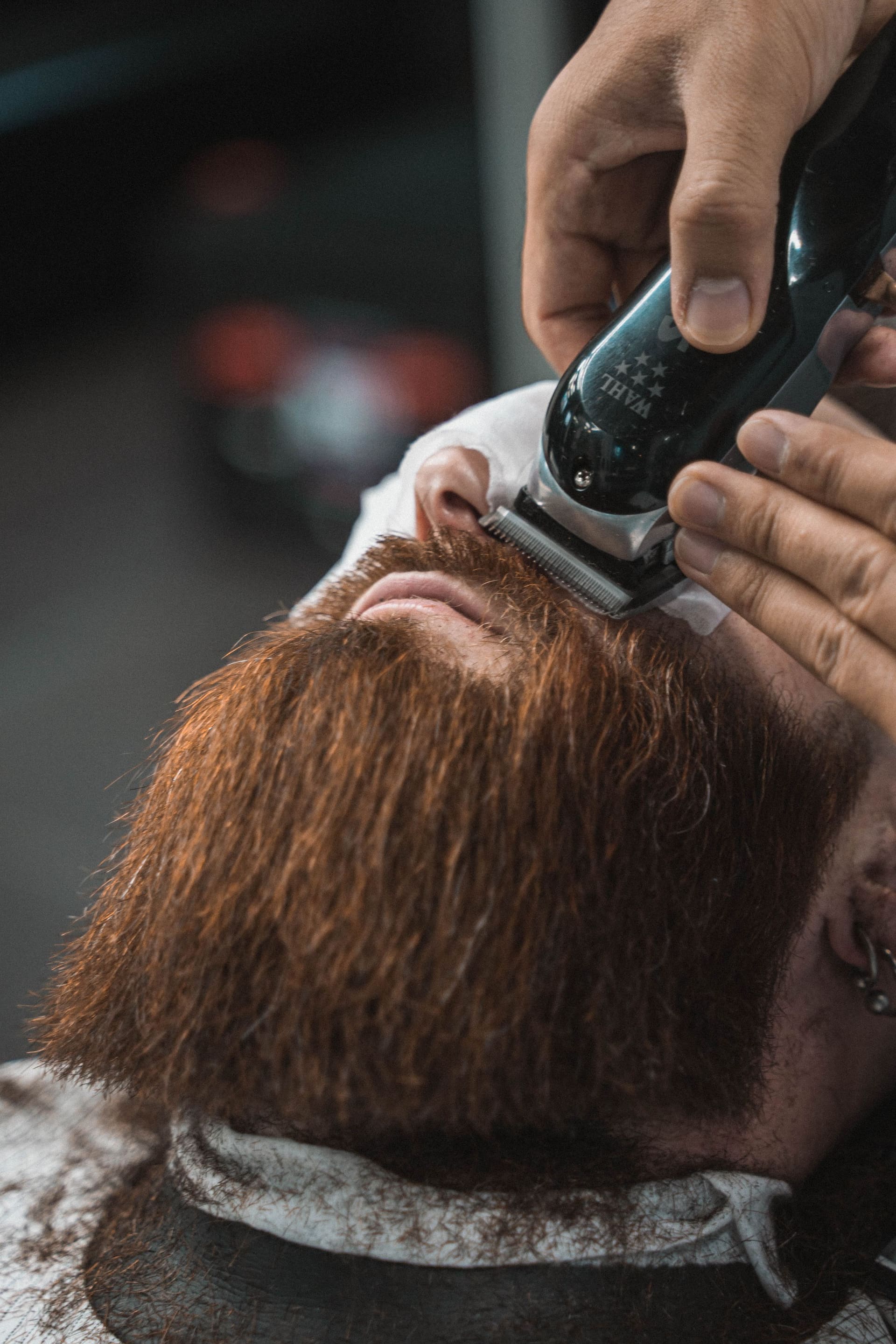
If you have several days or weeks of growth, use a beard trimmer first.
Trying to force long hairs directly into a foil or rotary shaving head can lead to pulling and missed hairs.
02
Decide between wet and dry shaving
Check whether your shaver supports wet use.
For dry shaving, make sure your face is clean and dry before starting.
For wet shaving, apply water and a thin layer of suitable shaving gel or foam.
Our guide to wet vs dry electric shaving explains the differences.
03
Use the right movement
With a **foil shaver**, use short straight strokes, often against the direction of hair growth.
With a **rotary shaver**, use small circular movements.
Avoid moving a foil shaver in circles or aggressively rubbing a rotary shaver back and forth.
For more detail, see rotary vs foil electric shavers.
04
Use light pressure
Pressing harder does not necessarily create a closer shave.
Excess pressure can flatten hairs, increase friction and irritate your skin.
Let the shaver's motor and blades do the work.
Maintain enough contact for hairs to enter the cutting system, but do not force the shaving head into your face.
05
Stretch difficult areas
Gently stretching the skin can help facial hairs stand more upright.
This can be especially useful around the neck and jaw.
Work slowly through these areas rather than repeatedly going over them at high speed.
06
Shave sensitive areas carefully
If your neck becomes irritated easily, consider shaving it first while the shaver is cool.
Avoid making many repeated passes.
If irritation remains a problem, read our guide to electric shavers for sensitive skin.
07
Clean the shaver afterward
Remove trapped hair after each shave.
Waterproof models can often be rinsed directly under the tap, while other shavers must be brushed clean.
Allow washable shaving heads to dry before storing them.
08
Replace worn cutting parts
Foils and blades gradually wear down.
If shaving begins taking longer, pulling hairs or requiring more passes, replacement may be due.
Use components recommended for your exact model.
If you need a new device, compare our best electric shavers.
09
A practical way to decide
Map the direction of your beard before starting, especially around the neck where hairs often grow sideways. Begin with difficult or sensitive areas while the head is cool. Short, deliberate passes are easier to control than repeatedly sweeping over the same patch.
With a foil model, use straight strokes and approach hairs from different directions only where needed. With a rotary model, use small overlapping circles. Keep the head in contact without forcing it into the skin. Let the motor and clean cutters do the work.
If several days of growth causes pulling, shorten it with a trimmer first. A wet-and-dry shaver may also be used with a suitable gel or foam if the manual permits it; our guide to shaving cream with an electric shaver explains the precautions.
Afterward, remove hair and product using the exact cleaning method in the manual. Let washable parts dry before closing a case. A shaver that suddenly needs more passes may need a deeper clean, a full charge or replacement cutting parts rather than extra pressure.
Finish by rinsing your face if you used product and apply a simple moisturizer if that suits your skin. Do not share cutting heads, and never continue over broken or inflamed skin. If irritation is persistent, painful or spreading after several careful shaves, pause the routine and seek qualified medical advice rather than trying a more aggressive setting.
Sources and further reading
We use primary and specialist sources to check the principles in this article. Product recommendations are researched separately.

