The 5 Best Budget Mirrorless Cameras
A budget mirrorless camera is only a budget camera once you count the lens. Some listings here include a kit zoom; others may be body-only or bundled differently. I would settle the first job—family photos, travel stills or filming yourself—then check exactly what is in the box. A cheap body with the wrong lens quickly stops looking cheap.
Canon's R100 is the lowest-cost photo-first way into this set, with a fixed rear screen that makes self-filming awkward. Panasonic's G100 and Nikon's Z30 take different small-camera routes. The Sony a6400 costs more but gives an eye-level finder and a deeper E-mount lens ecosystem. I would not buy the ZV-E10 for stills alone when its video-oriented design is the reason to choose it.
Our top 5 budget mirrorless cameras
Swipe to compare price, rating and best use →
| Product | Price | Rating | Best for |
|---|---|---|---|
01 Canon EOS R100 KitDetails ↓ Canon EOS R100 KitDetails ↓ | $549.00 | 4.6/5Amazon | Best low-cost photo start |
02 Panasonic Lumix G100Details ↓ Panasonic Lumix G100Details ↓ | $597.99 | 5.0/5Amazon | Best small travel system |
03 Nikon Z30 KitDetails ↓ Nikon Z30 KitDetails ↓ | $796.95 | 4.4/5Amazon | Best self-filming starter |
04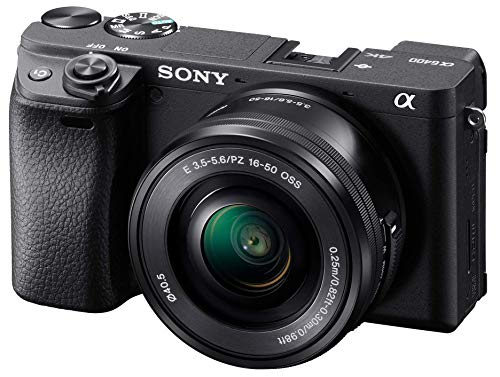 Sony a6400Details ↓ Sony a6400Details ↓ | $811.48 | 4.6/5Amazon | Best photo-first upgrade route |
05 Sony ZV-E10 KitDetails ↓ Sony ZV-E10 KitDetails ↓ | $898.00 | 4.4/5Amazon | Best video-first stretch |
01 — Canon
Best low-cost photo startCanon EOS R100 Kit
The R100 is the camera I would consider for someone leaving a phone behind mainly to learn still photography. This listing includes an 18–45mm lens and the body has an eye-level electronic finder, useful in bright daylight. Its rear display is fixed, so composing a selfie or filming yourself is much less convenient than on the Z30 or ZV-E10.
It leads because the kit lens and lower current price make the complete starting bill clearer. You give up a flexible screen and more capable video handling. If video is half the brief, I would pay attention to the alternatives rather than buy the lowest-priced body and work around it later.
Specifications: Canon EOS R100 support and specifications ↗
View on Amazon ↗First-time photographers who value a viewfinder.
You regularly film yourself.
What I like
+Lens-included APS-C entry at a lower price.
What to weigh
−Fixed screen limits self-video and low angles.
02 — Panasonic
Best small travel systemPanasonic Lumix G100
G100 makes sense if small lenses and a compact travel bag matter more than owning the largest sensor in this group. Its Micro Four Thirds system can stay relatively light, and the eye-level finder helps with stills when glare makes a rear screen difficult. Panasonic positioned its audio and articulated-screen design for casual video too; check the exact lens included here.
Second place rewards a genuinely different carry-and-shoot trade rather than a claimed image-quality victory over the R100. The smaller sensor and 4K framing behavior may matter to low-light or wide selfie video buyers. I would choose it for a portable mixed-use kit, not for a sensor-size trophy.
Specifications: Panasonic Lumix G100 introduction ↗
View on Amazon ↗Travellers who want a small lens system.
You prioritize wide self-shot 4K footage.
What I like
+Compact system with viewfinder and video screen.
What to weigh
−Smaller sensor and bundle-dependent lens value.
03 — Nikon
Best self-filming starterNikon Z30 Kit
Nikon's Z30 is for someone whose first interchangeable-lens project will be talking to camera. The stated 16–50mm kit lens and outward-facing screen make framing yourself straightforward, and the Z mount gives a path to different lenses. There is no eye-level viewfinder, which you may miss on bright walks when the rear screen washes out.
Third place reflects that narrower video-first brief at a higher price than the R100. I would choose it if self-video genuinely happens every week. For a mostly still-photo buyer, the R100's finder and lower total price make more sense; for stronger creator controls, compare the Sony ZV-E10.
Specifications: Exact Amazon product listing ↗
View on Amazon ↗Creators recording themselves on a starter lens.
You rely on an eye-level finder outdoors.
What I like
+Front-facing screen and included zoom.
What to weigh
−No viewfinder; lens upgrades cost extra.
04 — Sony
Best photo-first upgrade routeSony a6400
The a6400 suits a new photographer who expects to add lenses and keep the body beyond the first year. Its APS-C E-mount system and eye-level finder give more room to build a stills kit than the self-facing ZV-E10 layout. Check whether this exact offer is body-only; adding a lens can move it well beyond the guide's cheaper options.
I rank it fourth on total entry cost, not on its ability to make photographs. It is a sensible stretch for a buyer committed to the Sony lens system and a finder. If you mostly speak to camera, ZV-E10's controls are the more direct tool; if you want the cheapest complete kit, start with R100.
Specifications: Exact Amazon product listing ↗
View on Amazon ↗Learners planning a Sony stills lens kit.
A body-only offer breaks your total budget.
What I like
+Viewfinder and established E-mount path.
What to weigh
−Lens may be an additional purchase.
05 — Sony
Best video-first stretchSony ZV-E10 Kit
ZV-E10 is a video-oriented starter rather than the cheapest way to take still photos. The listed 16–50mm zoom gets you filming, while Sony's side-facing screen, directional microphone and Product Showcase focus mode make a spoken product clip easier to frame. It drops the a6400's eye-level finder, a real concession for outdoor stills.
Fifth place reflects its higher current kit price in a budget guide. I would pay the difference only when video is the main job and those creator controls save you a second rig. For occasional family photos, R100 or G100 offers a clearer budget case.
Specifications: Sony ZV-E10 product details ↗
View on Amazon ↗New creators recording face-to-camera video.
Your priority is low-cost still photography.
What I like
+Self-facing screen and creator controls.
What to weigh
−Higher price and no eye-level finder.
Price information
Amazon price and availability checked Oct 17, 2026, 11:10 PM Lisbon time. Prices and availability are subject to change; the information shown on Amazon.com at purchase applies.
Our process
How we picked.
We compare five relevant products for different needs, using documented specifications, clear use cases and practical trade-offs. Our goal is to make the differences clear and help you choose with confidence.
- 01Relevance
Each product must fit the guide’s intended use, audience and requirements.
- 02Specifications
We compare the key product details that meaningfully affect the buying decision.
- 03Use case and fit
We compare the intended use, configuration and practical fit of every selected product.
- 04Strengths and limitations
We explain where each option performs best and the compromises to consider.
Good questions
FAQ — Budget Mirrorless Cameras
01Is a kit lens enough to start?+
Usually yes for daylight learning and general framing. Check the exact focal range and whether the listing includes the lens; budget separately for low light or distant subjects.
02Which budget camera is easier for self-video?+
Look for a screen that faces forward and a microphone path. Nikon Z30 and Sony ZV-E10 suit that workflow better than the fixed-screen Canon R100.
The short answer
Start with the Canon EOS R100 Kit.
I recommend it for first-time photographers who value a viewfinder. Choose something else if you regularly film yourself.
View on Amazon ↗Keep looking
Related guidesThe 5 Best Mirrorless Cameras for Beginners
Five Canon, Sony, Panasonic, Nikon and OM System beginner cameras for photo-first learning, travel video and lens growth.
The 5 Best Action Cameras for Different Trips
Five DJI, AKASO and SJCAM action cameras for regular outdoor footage, self-framing and low-cost first clips.

The 5 Best Budget Action Cameras
Five action cameras from AKASO, DJI and SJCAM for first rides, self-framing, water use and a video-quality upgrade.