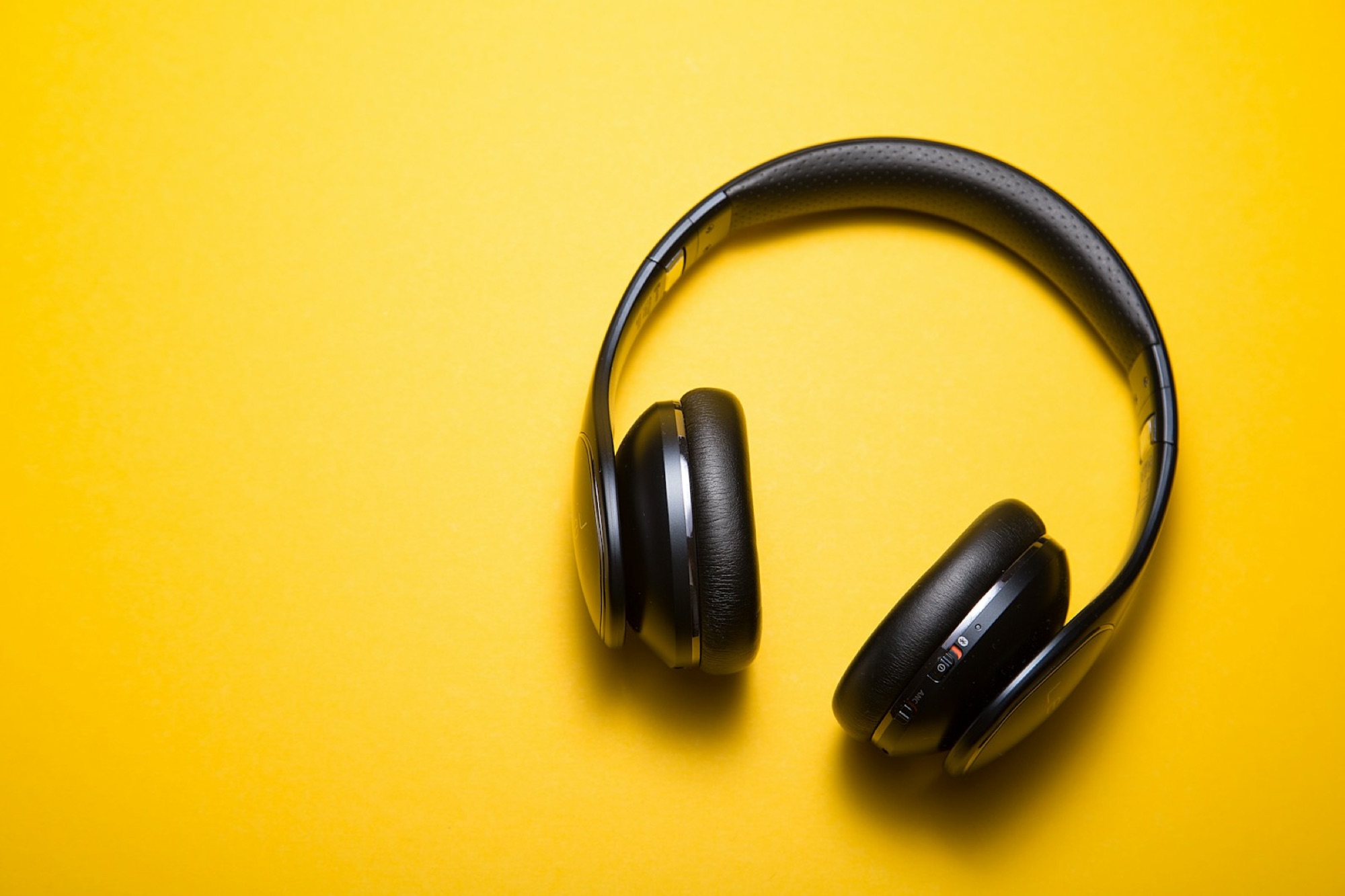
If you want headphones that make a flight feel calmer, do not look at ANC alone. The earcups or tips first need to seal well; active noise cancellation then tackles the steady engine rumble that physical isolation struggles with. In other words, the best travel headphones use active and passive noise cancellation together. You can compare current options in our noise-cancelling headphone guide.
01
How passive isolation works
Passive isolation is the simple part: cushions, closed earcups or in-ear tips block sound before electronics get involved. A good seal can be especially helpful with voices and higher-frequency noise, and it works without a battery.
Fit changes everything. Glasses, hair and ear shape can break an over-ear seal; the wrong ear tip can do the same for earbuds. That affects both isolation and bass, which is why a brilliant lab result may not describe what you hear. Comfortable cushions and several tip sizes are not minor extras.
02
How active noise cancellation works
ANC uses microphones to listen to the sound around you. It works best with a steady low hum, such as an aircraft engine or train. Voices and sudden sounds are much harder to reduce. Do not expect them to disappear.
More cancellation is not always more pleasant. Some people notice hiss, a change in sound or a pressure-like sensation. Try the different strength settings if they exist. A natural transparency mode is just as useful when you need an announcement or a quick conversation without taking the headphones off.
03
Choose for where you listen
For flying and commuting, over-ear ANC combines a strong physical barrier with active noise reduction. Our carry-on luggage guide covers the rest of the travel setup. In an office, the fit may matter as much as the ANC because nearby voices are irregular and sit higher in frequency.
Near traffic, blocking every sound can be unsafe. Open-ear headphones or a clear sound mode can help you stay aware. Wear the headphones long enough to check comfort. Test calls and buttons too. Do not judge them only by a quiet demo track.
Check what happens when the battery dies and whether USB-C or a cable still carries audio. A suitable power bank can help on long journeys, but dependable passive playback is even simpler.
04
Noise reduction is not hearing protection
Noise cancellation may let you enjoy music at a lower volume, but it does not make loud listening safe. ANC headphones are also not certified hearing protection for industrial work, shooting or other hazardous noise. Use equipment rated for that purpose.
At a permanent desk, comfort also depends on your office chair fit and monitor placement. For the headphones themselves, compare ANC on and off at the same playback volume so “louder” is not mistaken for “better.”
Choose ANC for engines and steady rumble, passive isolation for the physical barrier, and both for the strongest everyday result. If the headphones do not seal comfortably, no amount of processing can fully rescue them.
Sources and further reading
We use primary and specialist sources to check the principles in this article. Product recommendations are researched separately.
